Roaring Fork River Fishing Report: March 19, 2026
Location: Aspen to Glenwood Springs
Current Flow: ~355 CFS (at Glenwood) | ~173 CFS (at Basalt)
Clarity: Good; Slight Emerald Tint below Carbondale
The fishing on the Roaring Fork is sensational right now, particularly as you move down-valley. We are seeing a distinct divide in activity levels: while the upper reaches near Aspen and Snowmass remain in a winter pattern with colder temps, the stretch from Carbondale to Glenwood Springs is firing on all cylinders. Warmer water temperatures in the lower valley have triggered much heavier hatches and more aggressive feeding cycles.
Due to the low snowpack this season, anglers should be aware that the best fishing of the year will likely occur before mid-July. This spring window is the time to get out before the early runoff cycle completes.
Lower Valley Focus: Carbondale to Glenwood
The lower river is where the most consistent action is happening. The higher water volume and warmer temps have jump-started the biological clock for both insects and trout.
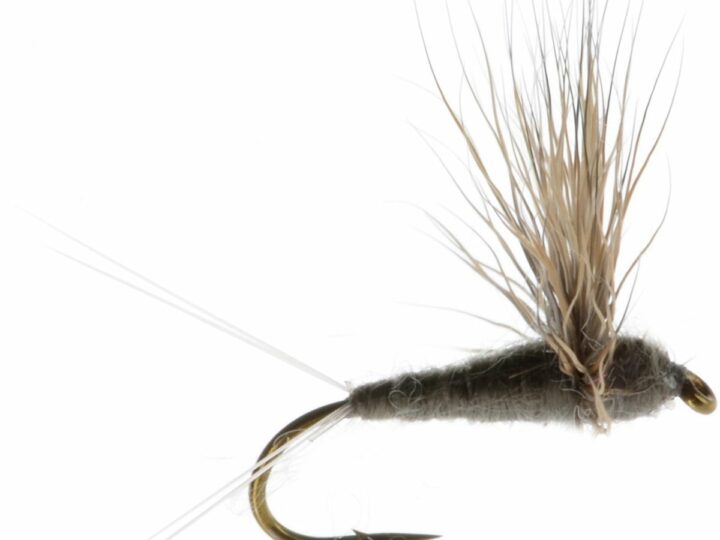
BWO Emergence: The Blue Winged Olives are out in force from Carbondale down. On overcast afternoons, expect blanket hatches in the flatter water. The trout here are keyed in on the emergers, so don’t be afraid to fish a trailing unweighted nymph just below your dry fly.
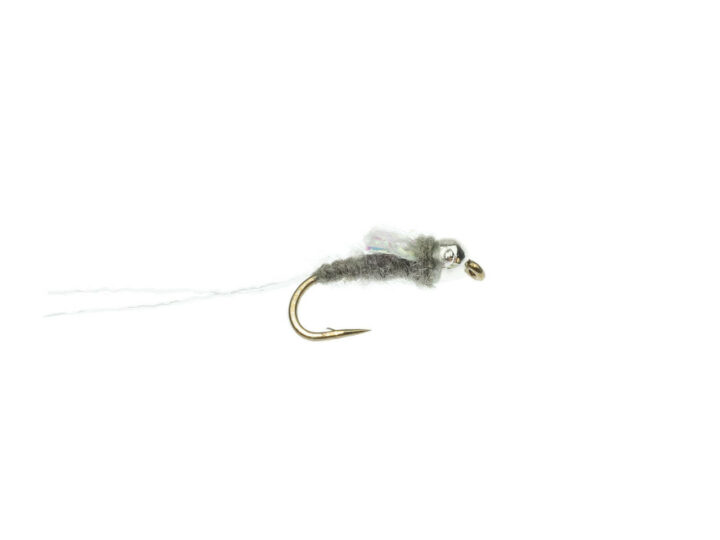
Midgezilla: We are seeing heavy concentrations of these larger size 18-20 midges. In the lower river, these represent a major food source, and pods of fish are moving into the riffles to intercept them.
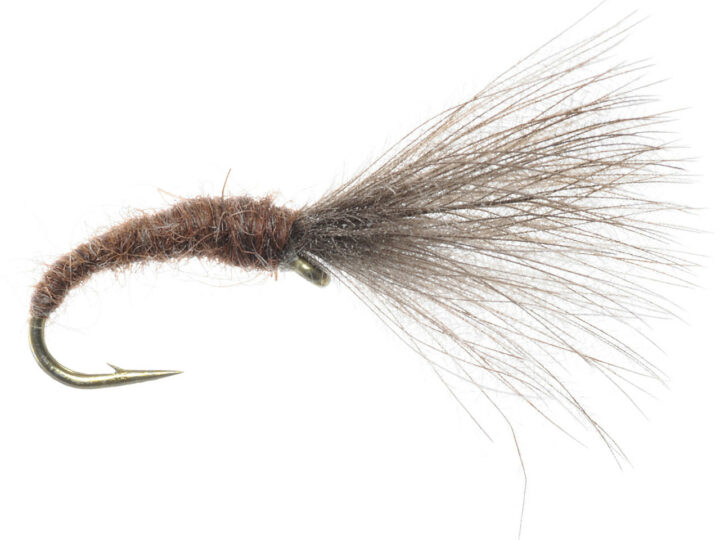
Caddis Watch: We are still a few days to a couple of weeks out from seeing adult caddis on the water. However, the larvae are very active in the warmer lower-valley stretches. Prospecting with a caddis larva or pupa as your lead fly in a nymph rig is highly recommended.
Streamers: The Color of Success
We are starting to see a bit of early snowmelt adding some much-needed color to the river, especially below the Crystal River confluence. This “fishy” tint is a good thing; it provides trout with a sense of security, encouraging them to move out of deep winter holds to hunt.
White, Tan, and Olive have been the standout colors:
White: Provides excellent visibility and flash in the slightly stained lower-river water.
Tan & Olive: These remain the most reliable choices for mimicking sculpins and juvenile trout along the cut banks and shelf lines.
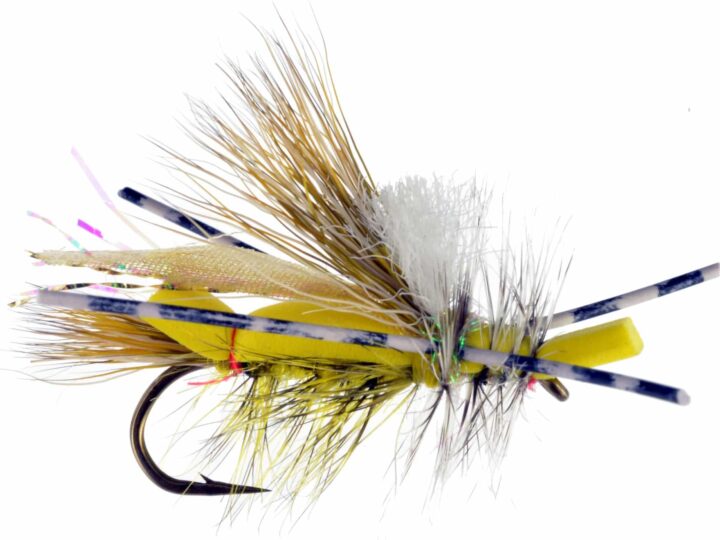
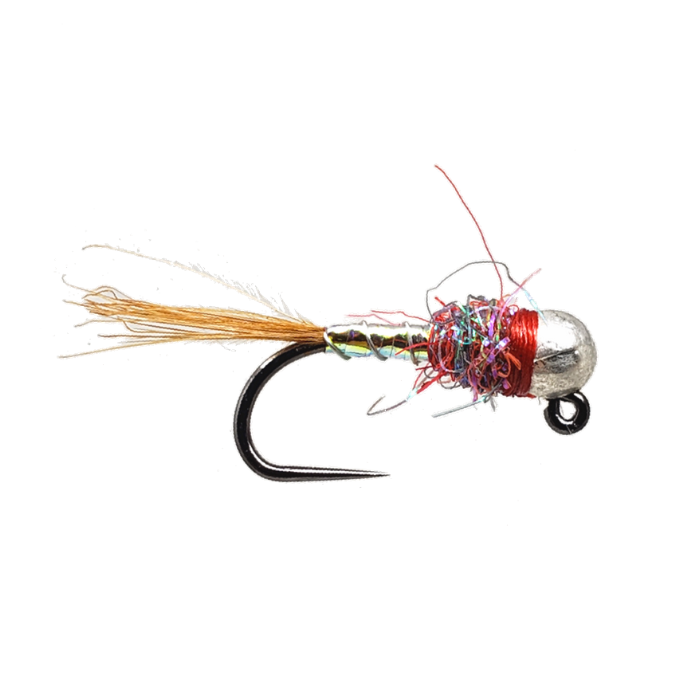
Recommended Patterns