Roaring Fork River Fishing Report: April 23, 2026
Location: Aspen to Glenwood Springs
Current Flow: ~171 CFS (Aspen) | ~216 CFS (Basalt) | ~396 CFS (Glenwood Springs)
Clarity: Clear in Upper Reaches; Beautiful Emerald Tint below Carbondale
The fishing on the Roaring Fork is sensational right now, particularly as you move down-valley. We are seeing a distinct divide in activity levels: while the upper reaches near Aspen remain in a technical, late-winter pattern, the stretch from Basalt to Glenwood Springs is firing on all cylinders. Warmer water temperatures in the lower valley have triggered the first heavy hatches of the season and much more aggressive feeding cycles.
Note to Anglers: With runoff beginning to tease the edges of the river, this spring window is the absolute prime time to be on the Fork before the flows increase and wading becomes more difficult in May.
Lower Valley Focus: Carbondale to Glenwood
The lower river is where the most consistent and exciting action is happening. The stable spring flows and warmer afternoons have jump-started the biological clock for both insects and trout.
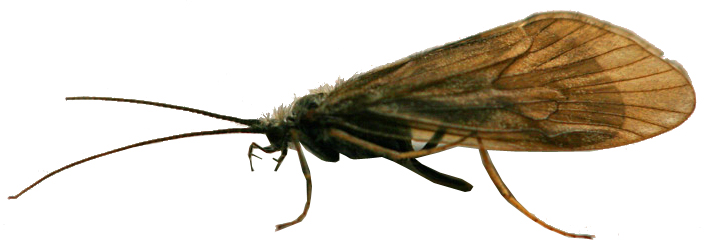
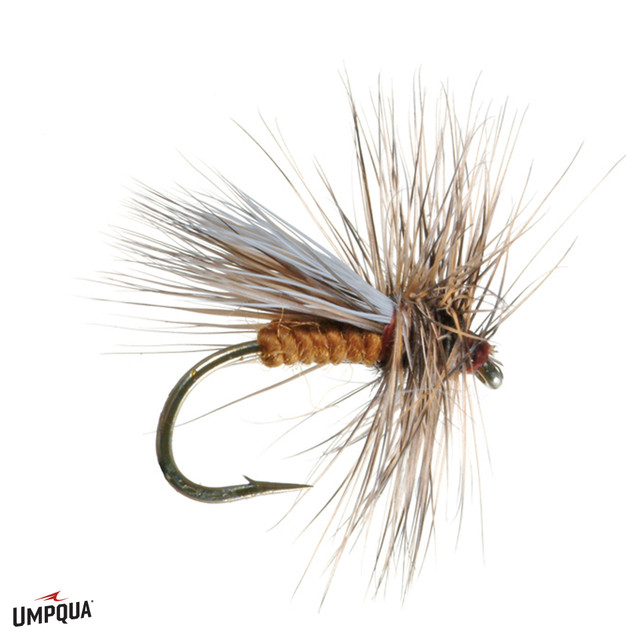
Caddis Alert: The Mother’s Day Caddis have officially arrived on the lower river. We are seeing steady hatches of size 14-18 caddis in the afternoons. If you see splashing rises, it’s time to put away the indicator and fish the surface.
BWO Emergence: The Blue Winged Olives are still out in force, especially on overcast days. The trout are keyed in on the emergers in the surface film—don’t be afraid to fish a trailing unweighted nymph just below your dry fly.
Midgezilla: We are still seeing heavy concentrations of these larger size 18-20 midges in the mornings before the main hatches begin. In the lower river, these represent a major protein source in the riffles.
Streamers: The Color of Success
We are seeing a bit of early snowmelt adding some much-needed “fishy” color to the river, especially below the Crystal River confluence. This emerald tint provides trout with a sense of security, encouraging them to move out of deep winter holds to hunt near the banks.
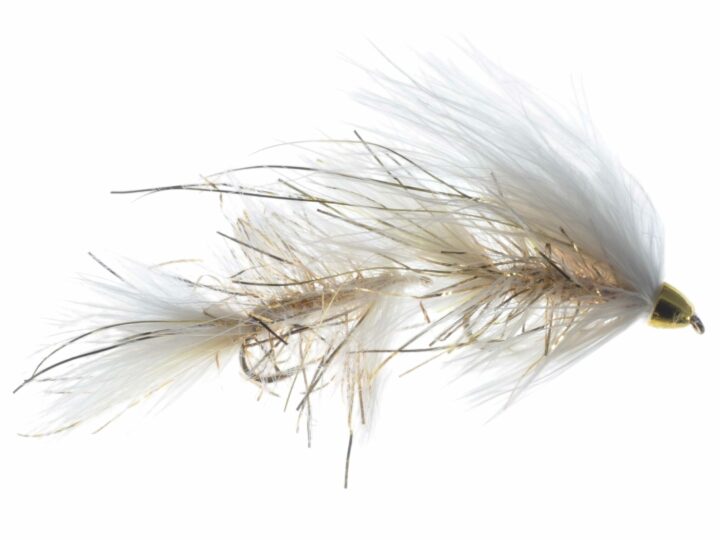
White, Tan, and Olive remain the standout colors:
White: Provides excellent visibility and flash in the slightly stained lower-river water.
Tan & Olive: The most reliable choices for mimicking sculpins and juvenile trout along the cut banks and shelf lines.
Recommended Patterns